Showing posts with label online dance classes. Show all posts

Thursday, 25 September 2014

Origin and Histroy of Kathak Dance


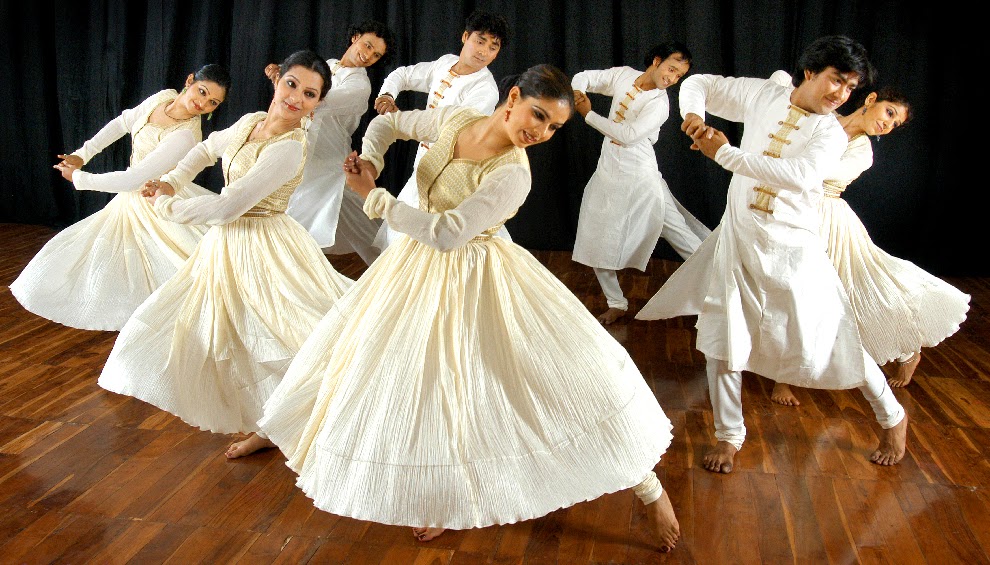
Kathak, a dance form of north India, derives its name from katha (story) since it originated from the devotional recitation by story-tellers or kathakars, who were attached to temples. The kathakars used to tell the story through music and dance. During medieval period it recived special patronage from both the Mughal and Hindu rulers.
Kathak is among the six major classical dances of India and one of the most dynamic theater arts in the world. The word Kathak is derived from katha, meaning "the art of storytelling." It is also synonymous with the community of artists known as Kathakas whose hereditary profession it was to narrate history while entertaining. With dance, music and mime these storytellers of ancient India would bring to life the great scriptures and epic so ancient times, especially the great Indian epics - the Mahabharata and the Ramayana - and the Puranas of Sanskrit literature. During the nineteenth century Kathak enjoyed a revival and gained prominence among the kings and zamindars (feudal lords) not only as a form of entertainment but also as a classical art form. Slowly and gradually Gharanas or schools of Kathak emerged. The Jaipur Gharana of Kathak emphasized technical mastery of pure dance. In the court of Wajid Ali Shah, the Nawab of Oudh (a student of Kathak), Kathak dance emphasized dramatic and sensuous expression and developed into a distinct style called the Lucknow Gharana. This Gharana is said to have originated with Wajid Ali Shah's court dancer Thakur Prasadji. 
The Kathak presentation is divided into three distinct parts: the natya (drama), the nritta (pure dance) and the nritya (expression,mimetic). While nritta is a logical extension of words and imagery of movements, inclusion of the natya to the dance gives it substance. Nritya combines dancing and action while interpreting the story. In delineation of these aspects, the rasa or emotion charges the atmosphere radiating ananda (bliss) on union with god. Known for its intricate compositions, rapid chakkars or bhramaris (pirouettes), complex tatkar (footwork) and stylised facial expressions, Kathak hails from three gharanas-Banaras, Luckow and jaipur. While the jaipur gharana focuses on layakari or rhythmic permutations, the Lucknow gharana expounds on bhava or moods and emotions with graceful movement and delicate placing of hands. This dance style was influenced by the Awadh royalty.

Wednesday, 10 September 2014

Histroy and Origin of Kathakali


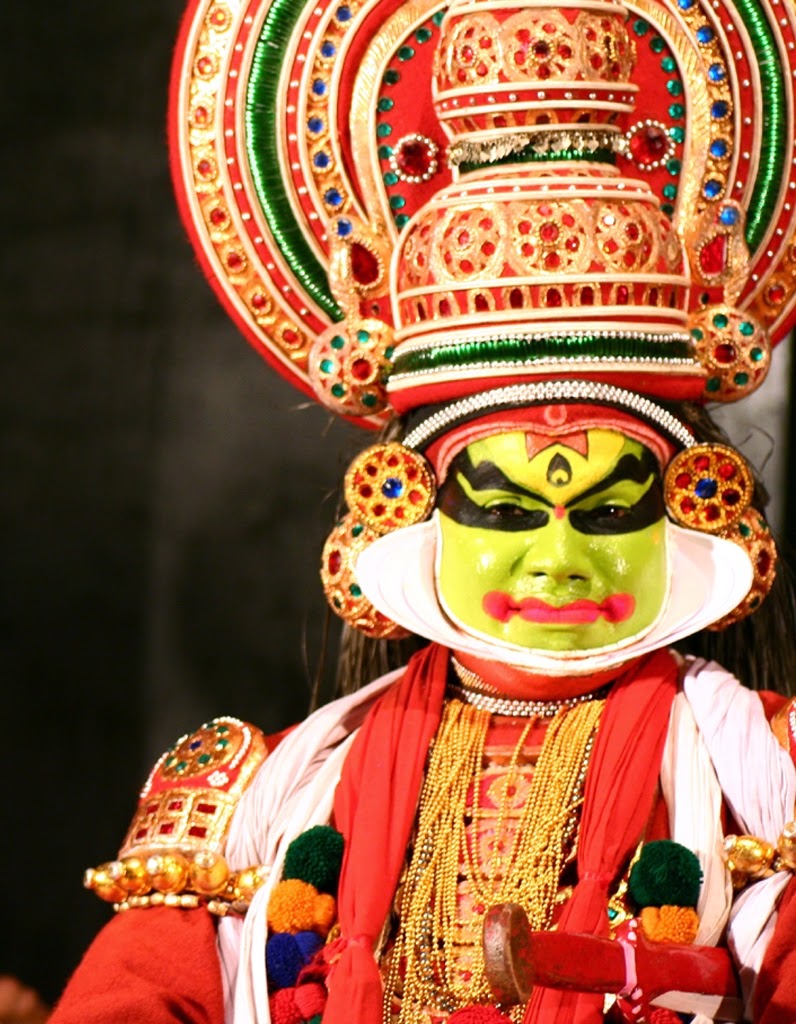
Kathakali Dance of Kerala is the traditional dance drama of Kerala with very colorful characters depicting a story with Kathak hand gestures. 'Kathakali' literally translates into "Story Play" and is one of the world's most famous form of dancing in which a story is being told in the form of a dance.Kathakali is an ancient and traditional dance form of Kerala. The word Kathakali literally means "Story-Play". Kathakali uses elaborate make-ups, costumes and background. Kathakali was originated in the 17th century and has its roots in Hindu mythology.

Origin and History of Kathakali

Popular belief is that Kathakali is emerged from "Krishananattam", the dance drama on the life and activities of Lord Krishna created by the Zamorin of Calicut. Once Kottarakkara Thampuran, the Raja of Kottarakkara who was attracted by Krishnanaattam requested the Zamorin for the loan of a troupe of performers. Due to the political rivalry between the two, Zamorin did not allow this. So Kottarakkara Thampuran created another art form called Ramanattam which was later transformed into Aattakatha. Krishnanaattam was written in Sanskrit, and Raamanaattam was in Malayalam. By the end of 17th century, Attakatha was presented to the world with the title 'Kathakali'. 
Kathakali is thought to have originated from pioneer dance-drama forms - Ramanattam and Krishnanattam. The word "attam" means enactment. These two forms of dance, along with Kathakali, dealt with presentation of the stories of Hindu Gods Rama and Krishna. Kottarakara Thampuran, the ruler of the south Kerala province of Kottarakkara, composed several plays on the Ramayana, which led to the evolution of Kathakali.It originated in the 16th century AD, approximately between 1555 and 1605, and has been improved miraculously over the years. 
The dancers wear large head dresses, and the contours of the face are extended with moulded lime. The extraordinary costumes and make-up serve to raise the participants above the level of mere mortals, so that they may transport the audience to a world of wonders.


Sunday, 10 August 2014

Art Forms of Kerala

Kerala, rich in its cultural heritage, has developed through the centuries its own typical art forms, particularly folk dances. Kerala, a southern state of India, has a very long history of culture and civilization. The historical records corroborate the fact that various art forms – classical, folk as well as tribal – had evolved in Kerala in very ancient period.

Kathakali

Kathakali is an ancient dance - drama of Kerala. It is so appealing due to the rare synthesis of dance, drama, music, acting, percussion, mythology, and culture. It is evolved from folk arts and other earlier classical dances of Kerala. The Kerala Kala Mandalam founded by poet Vallothol at Cheruthuruthi in1930 has played a vital role in revitalizing Kathakali.

Kooth

Kooth is performed by the members of the professional Chakyar caste and that too only in Koothambalam of temples. It is one of the oldest of theatrical arts not only of Kerala, but of India also. Koothu has come to be looked upon as the monoact par excellence in which a single actor, viz the Chakiar, acts the role of all the characters impressing his audience with suitable gestures.

Koodiyattam

Koodiyattam, one of the well known classical dance dramas,was originated 2000 years ago in Kerala. It is believed that the history of drama of Kerala began with Koodiyattam. It was performed in the Koothambalams of temples- the place of worship of Hindus. Koodiyattam is the earliest form of dramatic art in Kerala. In Koothu and Koodiyattam the actors enjoy freedom of speech and they criticise the important personages without fear or favour.

Ramanattom

Ramanatom is a dance drama based on the life of Rama who is considered as the incarnation of Lord Vishnu. It is performed as an eight - day cycle. It can be considered as the proto type of Kathakali in many aspects.

Mohiniyattom

Mohiniyattom, which is also known as “Kerala Nadanam”, is a unique dance form of recent origin. The influence of Kathakali and Bharata Natyam are very much evident in it. In the beginning, it was performed by women, but now it was performed by man also.

Wednesday, 23 July 2014

Dances of Kerala

Kerala, referred to as "God's Own Country", boasts of a tradition and cultural heritage that trails several years back. Dance in India, is rooted to age-old tradition. This vast sub-continent has given birth to varied forms of dancing, each shaped by the influences of a particular period and environment.

Mohiniyattam 
Mohiniattam is famous as the dance of the celestial enchantress. It is another classical dance form of Kerala, performed by only women and is known for its graceful movements and simple but elegant costumes. In the Mohiniattam performance, Vishnu is portrayed as a celestial enchantress, trying to mesmerize the demons to help the Gods get a full share of ambrosia, which gave them immortality. This is the legend/myth behind Mohiniattam and forms the core of this dance form. Historically, the temple dancers/devdasis performed the Mohiniattam in the temples of Kerala.The noted Malayalam poet Vallathol, who established the Kerala Kalamandalam dance school in 1930, played an important role in popularizing Mohiniattam in the 20th century.
Rlv Anand is famed as one of the leading bharatanatyam,mohiniyattam,kuchipudi dancers in Kerala. Anand has contributed his own concepts to the traditional dance style through his experimentation and innovations in Bharatanatyam, Mohiniyattam and Kuchipidi. He produced and choreographed several dance dramas in his own style, which are highly appreciated.


Monday, 9 June 2014

Online Kuchipudi Dancers Kerala.........


Kuchipudi is one such unique form of Art which is the tasteful blend of grace and vigour, elevation and sensuality, of control and abandon. With its roots buried in the soil of Andhra Pradesh in India, Kuchipudi was born in a remote Village from which it derived its name. In the early days, the Kuchipudi style of dance was in the form of dance dramas, the main purpose being to inculcate divine ecstasy which invokes immortal bliss and brings one closer to the path of salvation. The Dancer not only merely dances but also acts with gestures as well as words. It takes at least ten years for an ordinary dancer to master this art and be able to express Bhava through eyes and Rhythm through foot work.


Tuesday, 3 June 2014

Famous Online Classical Dancers Kerala


In the Indian culture, classical dance has a lot of significance. It is not merely meant for entertaining oneself, but it serves as a fabulous way to express the innate feelings of heart. Indian Classical Dance is one of the most comprehensive and oldest dance forms in the world. Most of the development of Indian dance is linked to the 2nd century B.C.  It is one of the best means to get connected to God. 


Sunday, 18 May 2014

RLV Contact.....


Rlv Anand is famed as one of the leading dancers in Kerala. A competent performer, choreographer and teacher, he heads his own dance institution "Yadhukulam Natygriham" at Chalakudy, Guruvayoor and Calicut. Rlv Anand has taken his diploma, post diploma, BA, MA in Bharathanatyam from RLV College, Tripunithara. Anand has contributed his own concepts to the traditional dance style through his experimentation and innovations in Bharatanatyam, Mohiniyattam and Kuchipidi. He produced and choreographed several dance dramas in his own style, which are highly appreciated.


Thursday, 1 May 2014

Famous Classical Dancers

Famous Classical Dancers

Folkdances are numerous in number and style, and vary according to the local tradition of the respective state, ethnic or geographic regions. Contemporarydances include refined and experimental fusions of classical, folk and Western forms. Dancing traditions of India have influence not only over the dances in the whole of South Asia, but on the dancing forms of South East Asia as well.


Wednesday, 30 April 2014

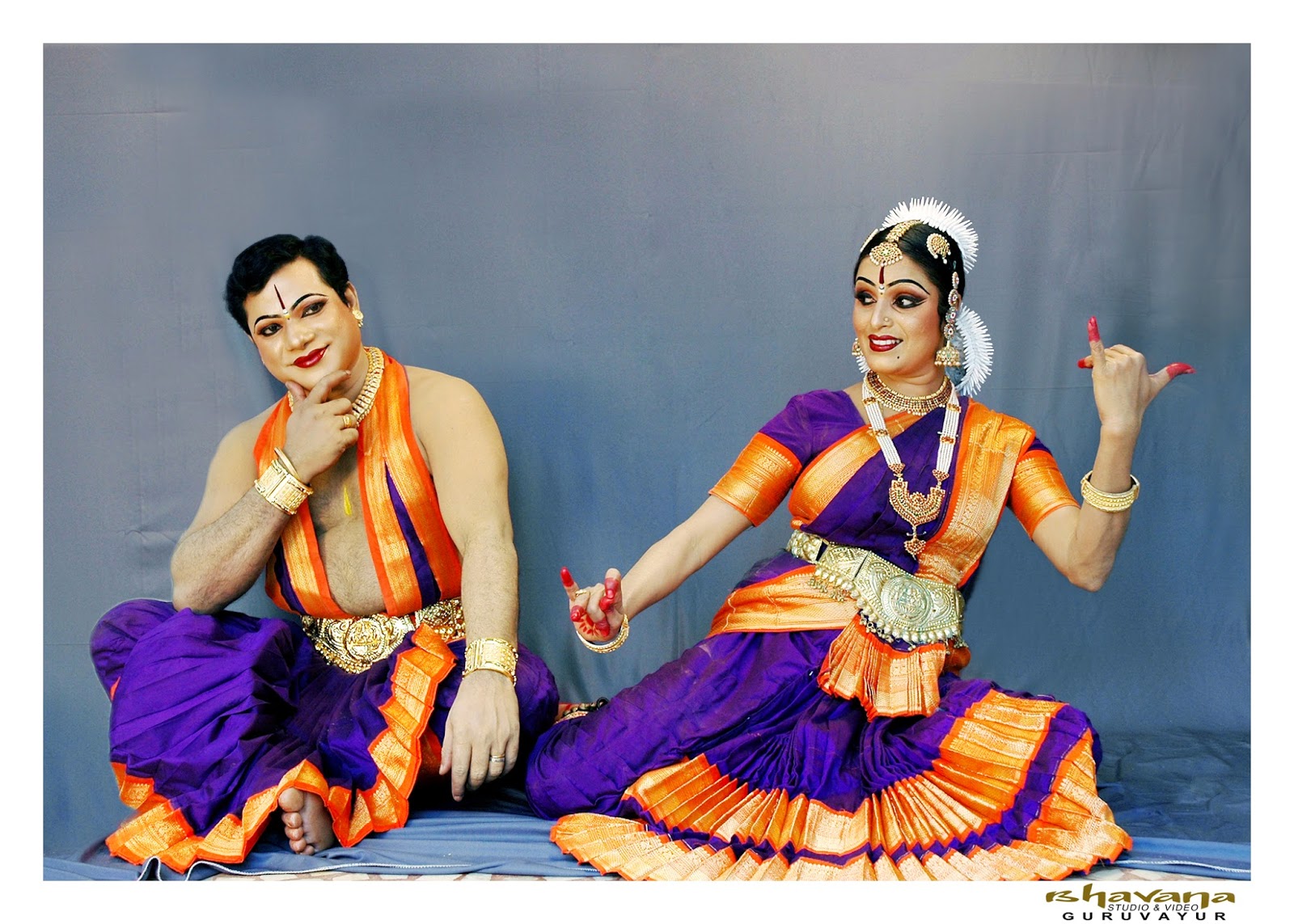
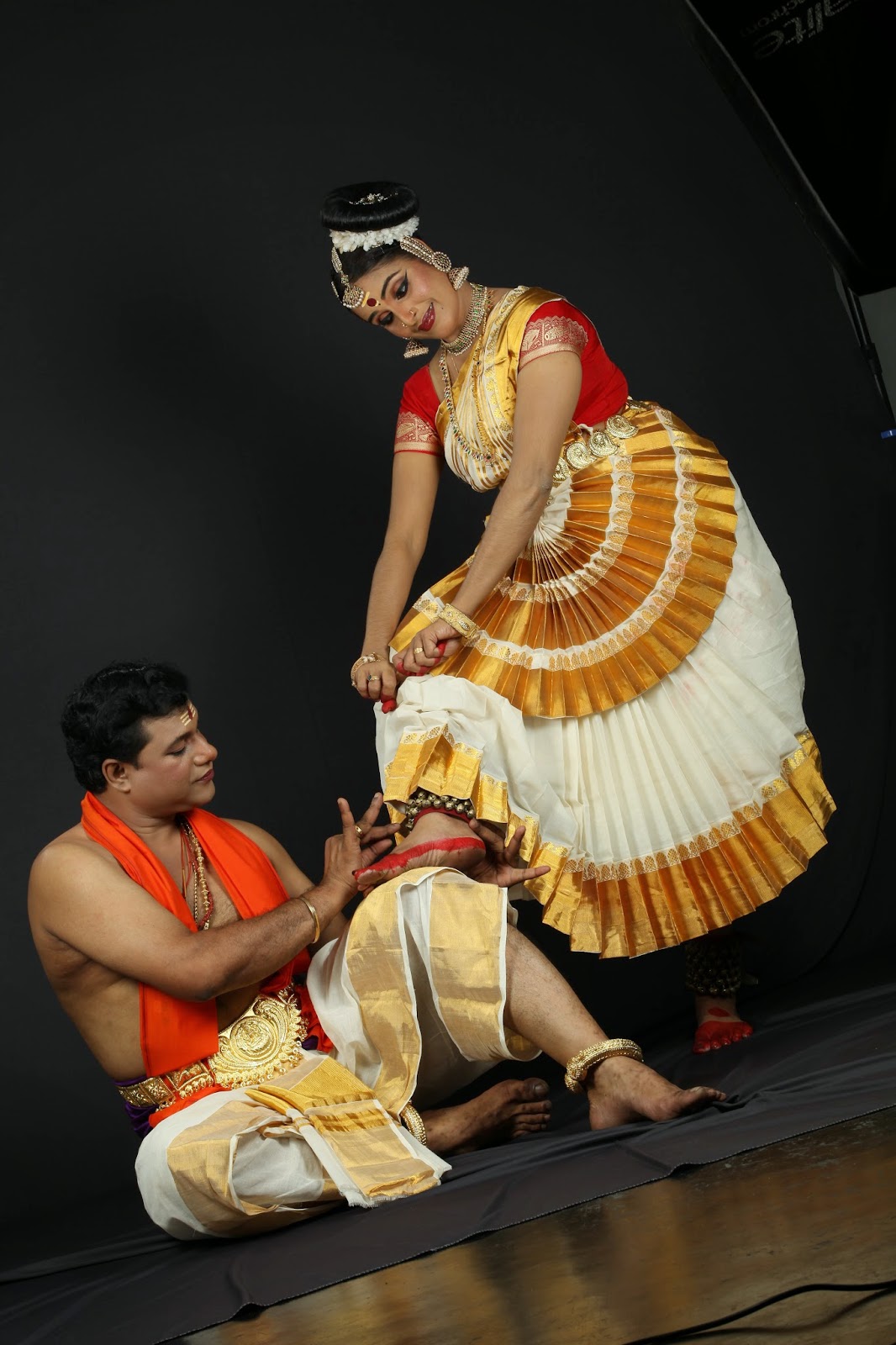
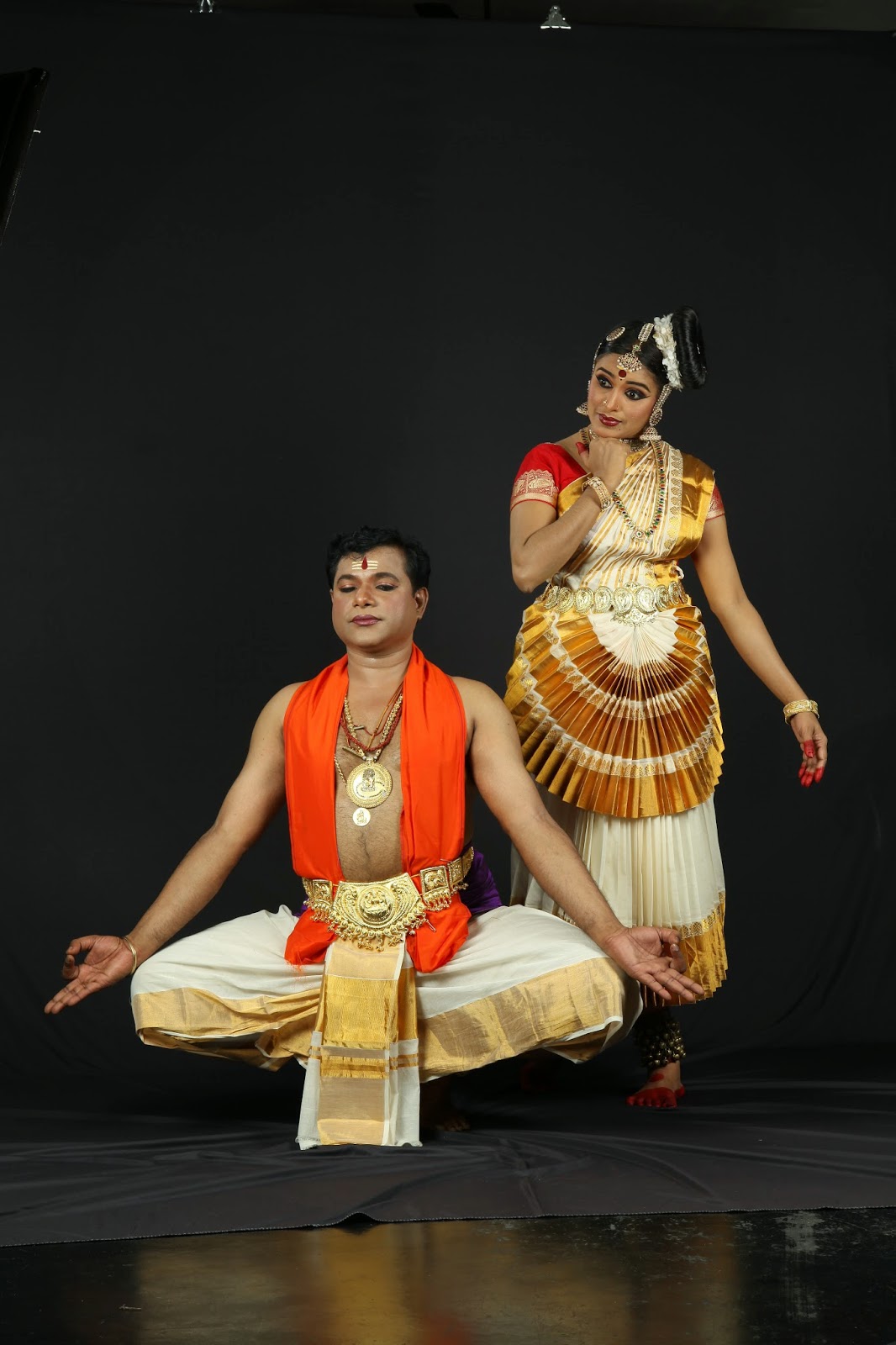
Mohiniyattam Dance Couples

Mohiniyattam Dance Couples

Rlv Anand is famed as one of the leading bharatanatyam,mohiniyattam,kuchipudi dancers in Kerala. Anand has contributed his own concepts to the traditional dance style through his experimentation and innovations in Bharatanatyam, Mohiniyattam and Kuchipidi. He produced and choreographed several dance dramas in his own style, which are highly appreciated. Some of them are Ramayanam, Mahisasura mardanam, Geetopadesham, many forms of Kuravanji, Panjali vastrakshebam etc...also he has taken the initiative to take some poems written by famous poets and choreograph them. Anand impresses his audience with deep understanding of Bhava and Abhinaya.


Tuesday, 29 April 2014

Online Kuchipudi Dancers

Online Kuchipudi Dancers

Kuchipudi is a Classical Indian Dance from Andrapradesh India. It is also popular all over South India.Kuchupidi is the name of a village in the Divi Taluka of Krishna District that borders the Bay of Bengal and also the  of the resident Brahmins practicing this traditional dance form, it acquired the present name. The performance usually begins with some stage rites, after which each of the characters come on to the stage and introduces him/herself with a dharavu (a small composition of both song and dance) to introduce the identity, set the mood, of the character in the drama. The drama then begins.


Friday, 25 April 2014

Online Dance Classes


Rlv Anand is the famous classical choreographer in kerala . A competent performer, choreographer and teacher, he heads his own dance institution "Yadhukulam Natygriham" at Chalakudy, Guruvayoor and Calicut.And also he provides online classical dance classes.His wife Jaya Anand is also a famous classical dancer.